If you’re torn between the island lifestyle of Caribbean nations and the road trip potential of continental Europe, Malta could be the perfect combination for you. With almost 90% of residents speaking English, this tax-friendly archipelago is certainly an expat-compatible spot.
Let’s take a closer look at the benefits of living in this little slice of paradise off the Italian coast!
Table of Contents
Cost of Living in Malta
The cost of living in Malta won’t be as low as countries in the Balkans like Romania or Montenegro. That said, it’s still much cheaper than trying to live in France, Germany, or the UK. Rent will most likely be your biggest fixed expense so let’s start there.
A one-bedroom apartment in the city center of Valletta costs $915 per month on average. If you live outside the city center, the average monthly rent price drops below $800 per month. There are taxis in Malta but public transportation is a cheaper and quite convenient option.
Getting yourself a Tallinja card is an absolute must if you plan to use public transport.
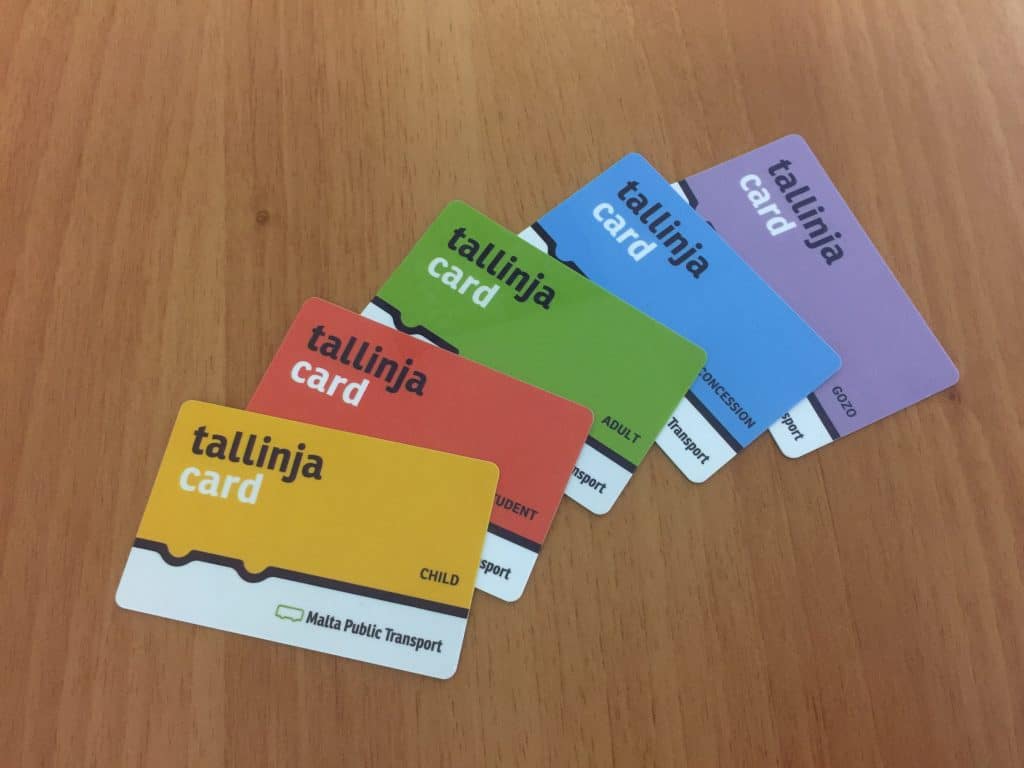
Bus rides paid using the reloadable Tallinja card only cost €1 compared to the usual €1.75 (or €2 during the summer months). You can top up your Tallinja card anytime through their website or the mobile apps for Android and iOS. Registering a new card costs just €15!
UPDATE: As of October 1, 2022 public bus rides are now free for all residents of Malta with a Tallinja card. The government has introduced this policy to reduce traffic, protect the environment, and ease the effects of worldwide inflation for its population.
Internet is also surprisingly cheap despite Malta having one of the fastest connections in the world. Specifically, you’ll only be paying €26 per month for connections that can reach up to 1Gbps.
The cheap and fast internet on offer makes the country an attractive choice for digital nomads. Traveling to other European countries is also quite cheap since you can catch cheap flights to Rome for €13 or cheap flights to Greece for around €20.
Speaking of digital nomads, we’ll dive deeper into Malta’s travel and taxation benefits below!
Taxes in Malta
At first glance, Malta might seem like just another high-tax European country — with its progressive income tax rates going all the way up to 35%! However, expats who apply for residency in Malta through the Global Residence Programme will actually pay a lot less.
To qualify for the program and its beneficial tax rates, you need to meet one of two criteria:
- Own real estate in Malta worth at least €275,000 (or €220,000 in the South of Malta and Gozo)
- Lease a property in Malta with an annual rent of at least €9,600 (or €8,750 in the South of Malta and Gozo)
The rental path is the most cost-effective option since it comes out to just €800 per month.
However, there’s nothing wrong with parking a quarter million in Maltese property if you’re interested in it as an investment. Whichever path you take, the residency program offers its beneficiaries a flat 15% income tax rate which is much lower than what the locals pay.
Furthermore, only income you remit into the country will be taxed.
Take note that there’s a minimum tax of €15,000 annually but I can’t really call this a downside unless you’re earning less than €100,000 per year. The biggest obstacle to overcome is the program’s net worth requirement — but more on that in the next section!
How to Become a Permanent Resident in Malta
To qualify for Malta’s residency by investment program, you need to have a minimum net worth of €500,000. Your total initial investment will be around €110,000 and the entire approval process usually takes less than six months.
Malta’s program is one of the easiest to qualify for since you don’t need to learn Maltese or provide a college degree. You’ll even be eligible for a work permit from the get-go, as well as citizenship applications later on.
As a permanent resident of Malta, you’ll also be able to travel the Schengen Area for 90 days in every 180-day period. This makes Malta a great home base for expats who want to spend half of their time traveling across Europe.
Malta Passport Visa-Free Countries

Permanent residents who have leased or owned a property in the country for at least five years will be eligible to apply for citizenship. Applicants must also go through a due diligence process to ensure they have a clean criminal record.
Once you become a Maltese citizen, you’ll get one of the most powerful passports in the world. The Maltese passport provides visa-free travel to 114 countries. This puts its coverage ahead of the Canadian passport (108) and only slightly behind the Singaporean passport (122).
Malta passport holders can travel visa-free to any country in Europe and the entirety of Latin America (including the Caribbean islands). You’ll also be able to top tourist spots in Asia like Japan, Singapore, and Malaysia.
You also get visa-on-arrival access to 47 countries in Asia and Africa.
Safety in Malta
Malta is one of the safest countries in Europe. When crime does occur, it’s mostly just petty crime like pickpockets or bag snatchers. As long as you stay mindful of your surroundings (especially when withdrawing from ATMs or parking your car) you’ll be very safe in Malta.
You’re far more likely to run into a flood or get shortchanged than experience any violent crime.
The Global Peace Index doesn’t collect data on Malta but the US Department of State gives the country its lowest travel advisory level (asking that tourists exercise normal precautions when traveling to the country).
To get a bird’s eye view of Malta’s gorgeous cities and coastlines, have a look at the video below!
Conclusion
As you can see, Malta is a great option for expats who love Europe but want to keep their cost of living low. The combination of low taxes, fast internet, and one of the best passports available make this island nation a very attractive retirement destination.
Its English-speaking, Euro-using population is also quite welcoming to foreigners who decide to call Malta their new home. If you’re not totally sold on moving to Malta, why not check out my full guide on low-tax European countries to retire in?